The Buckner Lab investigates the molecular mechanisms driving antimicrobial resistance (AMR) and its transmission — developing strategies to reduce resistance and preserve the antibiotics we depend on.

A multi-disciplinary approach spanning molecular microbiology, AMR transmission, and compound discovery.
Investigating how resistance genes spread between bacterial populations via plasmids, and how environmental pressures accelerate this exchange.
Deciphering the molecular machinery bacteria use to evade antibiotics — to identify exploitable vulnerabilities.
Understanding how bacterial biofilms and persister cells survive antibiotic challenge, creating reservoirs of recalcitrant infection and enabling the evolution of heritable resistance.
Exploring what drives AMR transmission within the human microbiome.
Using streamlined approaches to identify and develop compounds to reduce AMR prevalence.
A diverse team of microbiologists and bioinformaticians united by curiosity and a shared mission.

Associate Professor of Antimicrobial Resistance. Michelle completed her PhD at the University of British Columbia, studying Salmonella-host pathogen interactors. Then joined the University of Birmingham as a Post-doc, studying AMR, including Efflux and plasmid-mediated resistance. She established her independent lab in 2019.

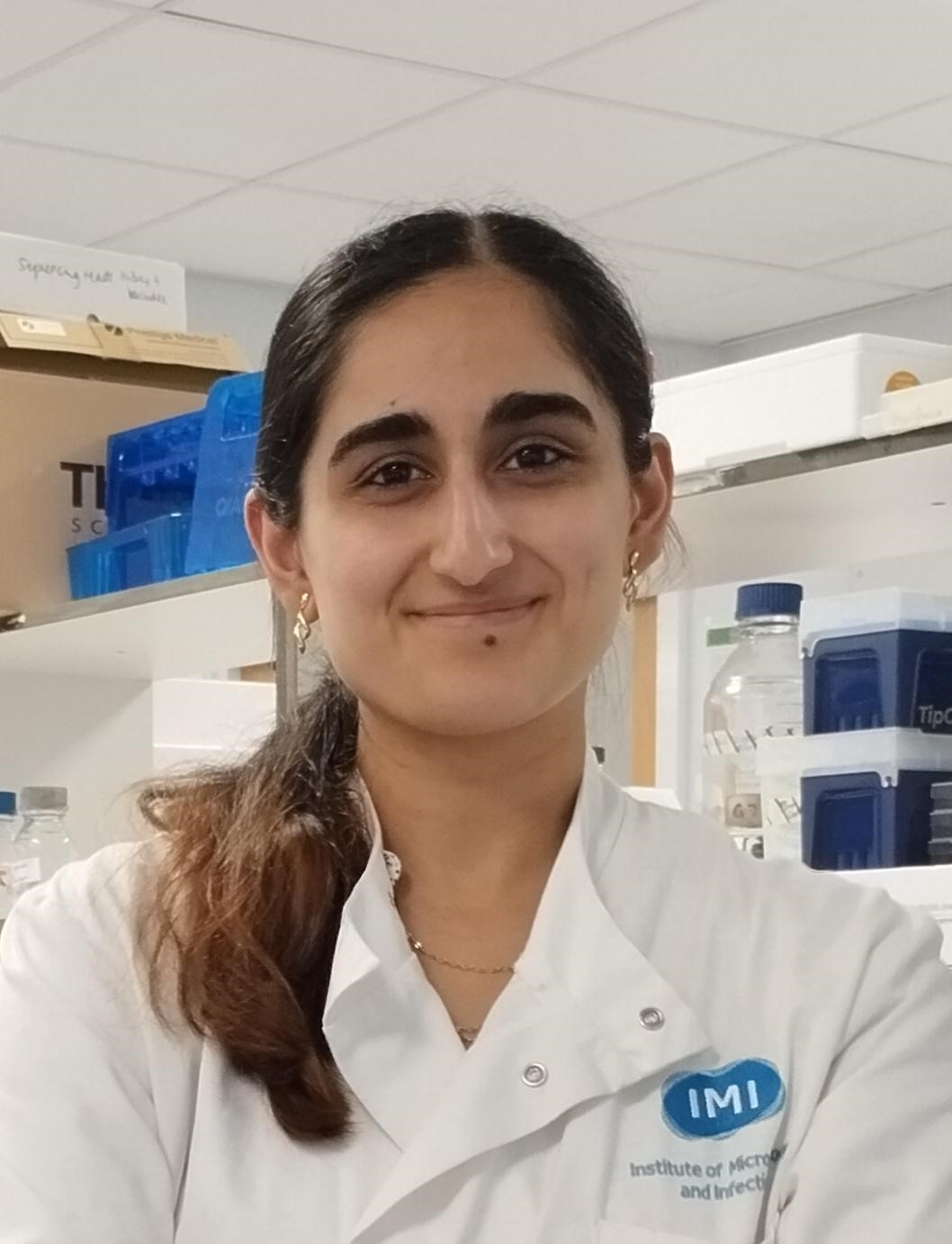
Rama is interested in microbial evolution and antimicrobial resistance. Her current research explores how biofilm growth influences the evolution of plasmid-mediated AMR and hypervirulence in Klebsiella pneumoniae. She is particularly interested in the interplay between plasmids, host genomes, and environmental factors such as biofilm formation. Originally from India, Rama moved to the UK for her postgraduate training, to further her academic career, completing her PhD at the University of Liverpool. Prior to joining the Buckner lab, she was a postdoctoral researcher at the University of Exeter, where she investigated large-scale phage resistance dynamics in clinical Pseudomonas aeruginosa using integrated genomic and phenotypic datasets.

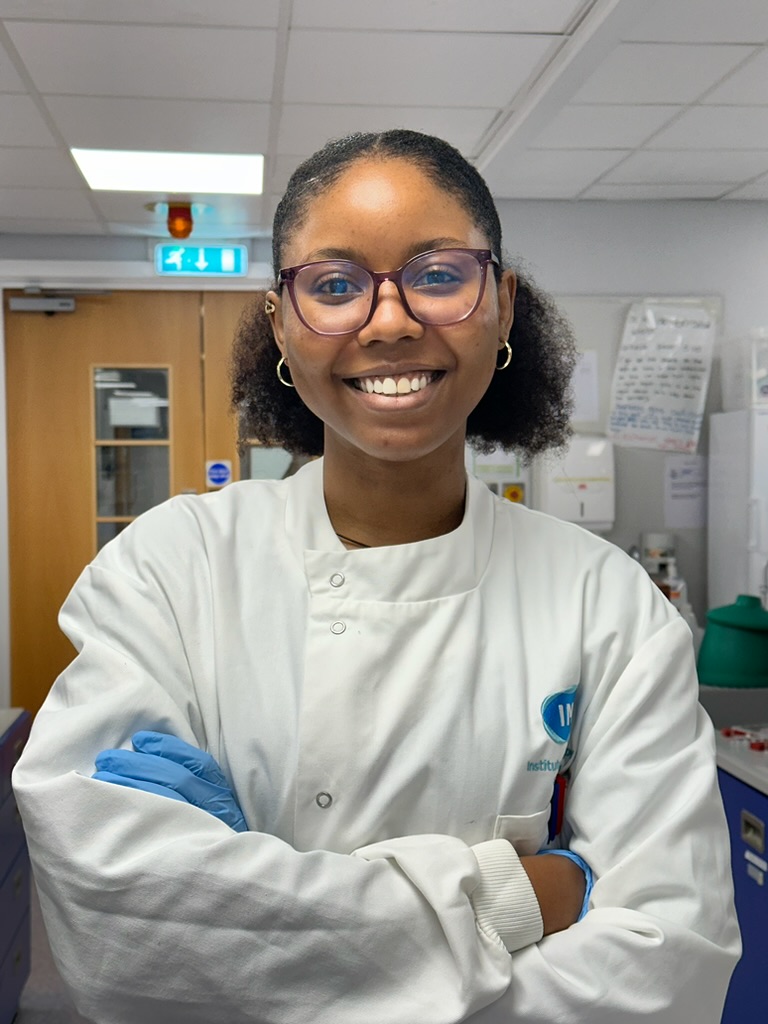
Lauren studies the airway microbiome and its role in respiratory disease, with a particular focus on antimicrobial resistance (AMR) in COPD. Her PhD research explores how AMR develops and spreads within lung bacterial communities, linking genomic data with real-world clinical outcomes. Using an integrative approach that combines whole-genome sequencing, culturomics, and phenotypic analysis, she aims to uncover how resistance emerges, quantify its burden, and identify key bacterial reservoirs driving its transmission.

Dorothy studies the evolution of antibiotic-resistant Klebsiella pneumoniae in infection-relevant environments such as medical catheters. Her research investigates how plasmids contribute to resistance persistence, combining experimental evolution with phenotypic assays, genomic analysis and computational modelling. This work is integrated with computational modelling to better understand and predict the long-term behaviour of resistant bacteria.

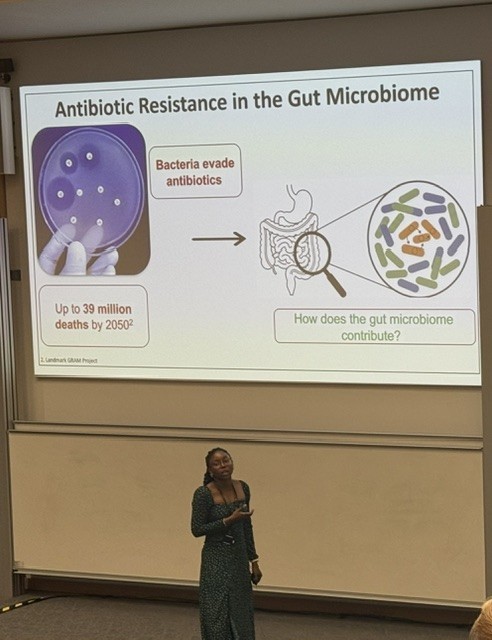
Nneka studies how antibiotic resistance genes are transferred between bacteria by conjugation within the human gut microbiome, focusing on Klebsiella pneumoniae. By recreating synthetic gut communities in the lab, her work links specific conditions to changes in conjugation rates and explores ways to inhibit the persistence of these multi‑drug‑resistant strains.

Ayesha works on developing tools to study how antibiotic resistance genes are transferred between bacteria by conjugation. This includes developing fluorescent-based models to study conjugation in higher-throughpout systems. She is also applying these tools in biofilm settings.
Announcements, new papers, grants, and events.
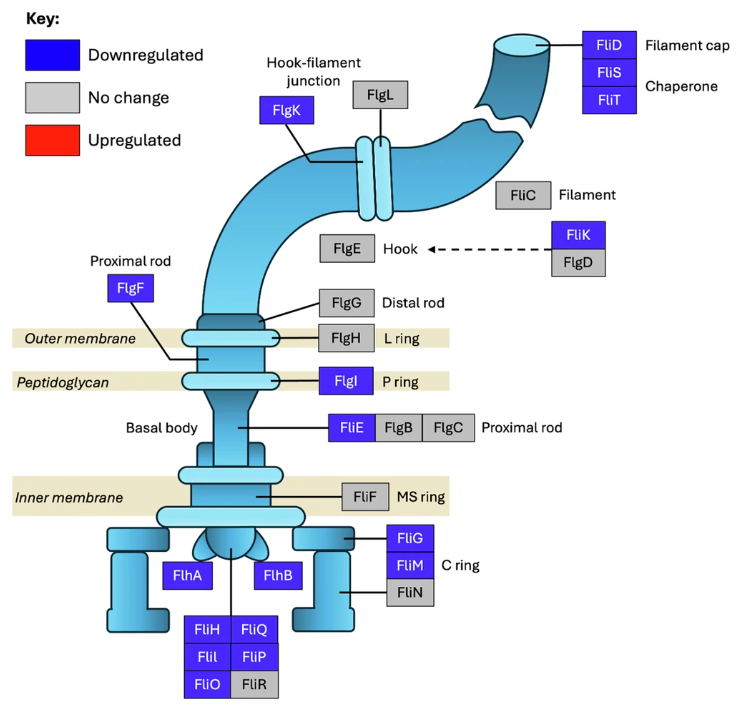
Read the full paper here.
The BBSRC has funded a new three-year project examining how evolution in a biofilm impacts AMR and hyper-virulence plasmid evolution.
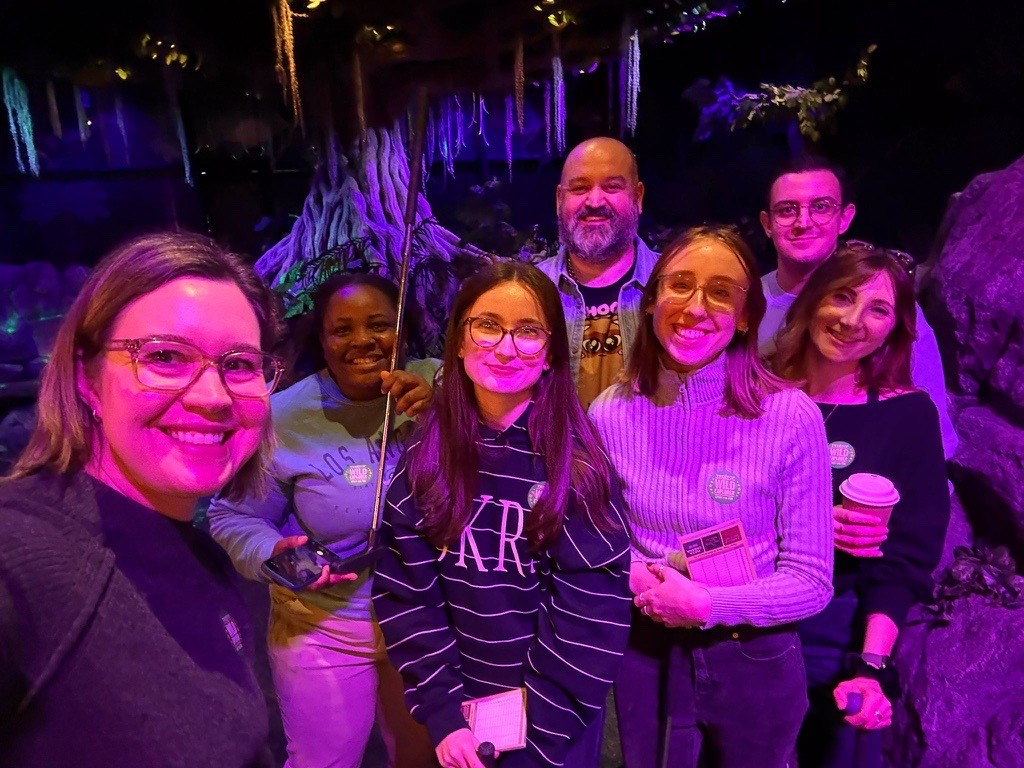
Crazy golf & Cake anyone?
We welcome passionate, curious scientists at all career stages. The Buckner Lab is committed to a diverse, inclusive, and collaborative environment where everyone can do their best science.
Impactful science. Work on a WHO priority public health threat with real clinical relevance and global reach.
Cross-disciplinary training. Gain skills spanning molecular microbiology, genomics, epidemiology, microbiome, and drug discovery.
A vibrant city. Birmingham is affordable, well-connected, and a genuinely great place to live and work.
Strong mentorship. We invest in your development, career, and wellbeing — not just your experiments.
Open to self-funded/independently funded students. This project will investigate the efficacy and mechanisms of action of novel anti-plasmid compounds. Flexible start date.
Interested in EMBO, Marie Skłodowska-Curie, BBSRC, MRC, Royal Society or Wellcome fellowships? We actively support strong candidates — get in touch early.
Whether you're a prospective student, potential collaborator, or journalist — we'd love to hear from you.